Bandung has two seasons, not four: dry (May-September) and rainy (October-April). The dry season is the more popular window for visitors — clearer skies, lower rainfall, and easier outdoor touring — while the rainy season still works for most itineraries if you plan around short afternoon showers. Sitting at roughly 768 meters above sea level, Bandung stays in the 18-24°C range most of the year, noticeably cooler than Jakarta or Indonesia's coastal cities — mornings and nights in the surrounding highlands (Lembang, Ciwidey) can feel genuinely cold by Indonesian standards. For Muslim travelers, timing a trip around Ramadan or Eid al-Fitr also matters, since restaurant hours, attraction schedules, and domestic travel volume all shift during that period.
| Best time to visit | May-September (dry season) |
| Average temperature | 18-24°C year-round |
| Busiest | May-September, school holidays (Jun-Jul, Dec-Jan) |
| Quietest | October-April (rainy season, short afternoon showers) |
| Elevation | ~768m above sea level |
Have a question about your trip?
Chat on WhatsAppWhy Bandung's climate is different
Bandung sits at roughly 768 meters above sea level, which gives it a temperature range of about 18-24°C most of the year — a big part of why it's nicknamed Paris van Java. Nights and early mornings can feel genuinely cold by Indonesian standards, especially in the surrounding highlands like Lembang or Ciwidey.
Dry season (May-September)
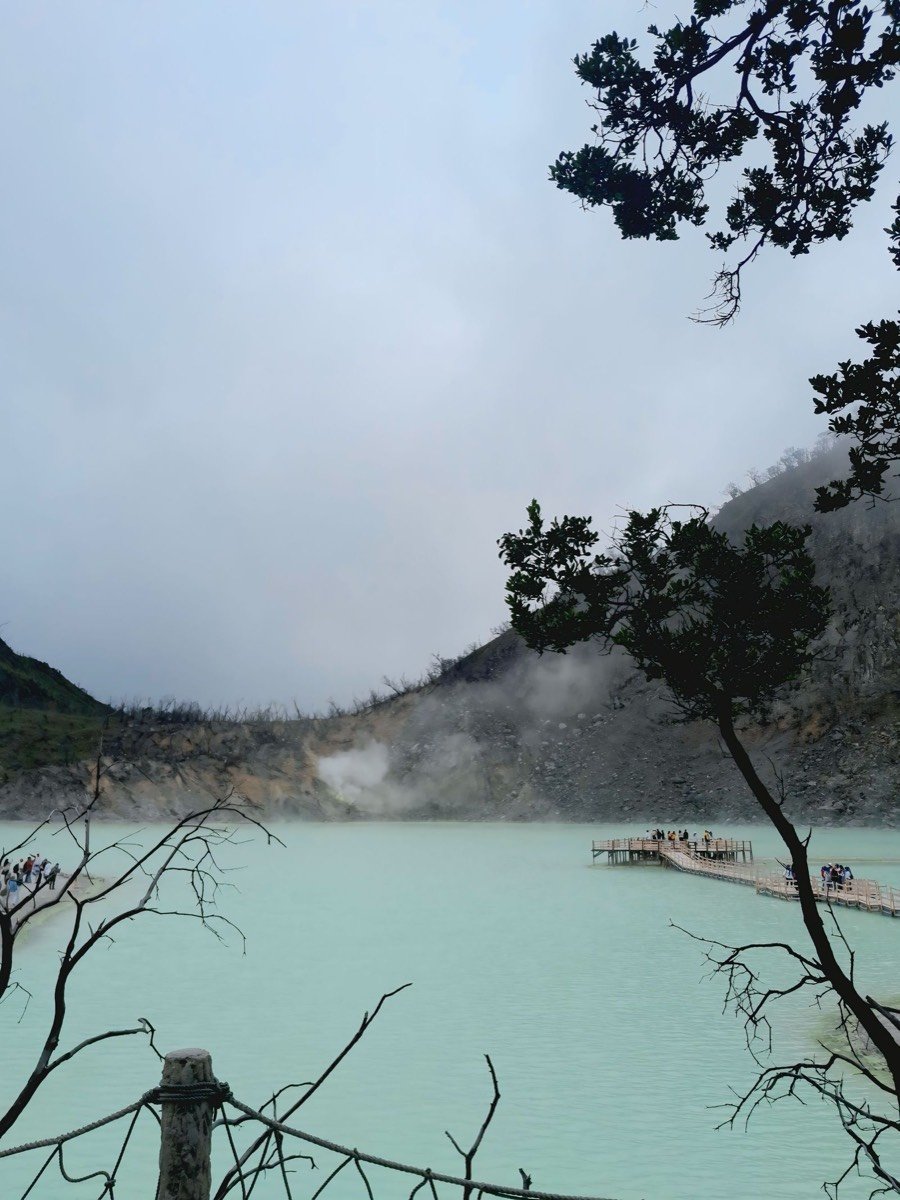
This is the most popular window for visitors, with the lowest rainfall and clearest skies of the year — ideal for day trips to Tangkuban Perahu, Kawah Putih, or outdoor city touring without worrying about rain interrupting plans. It's also, for the same reason, the busiest period at popular attractions and on weekend roads out of Bandung — book vehicles and accommodation with more lead time if traveling in these months.
Rainy season (October-April)
Afternoons often bring short, heavy showers, typically lasting an hour or two rather than all day. Mornings are usually still clear, so an early start works well for most itineraries — front-load outdoor activities before midday and keep afternoons flexible for indoor stops (cafes, museums, shopping) if rain rolls in.
Special consideration: Ramadan and Eid
For Muslim travelers, especially from the Middle East, timing a Bandung trip around Ramadan or Eid al-Fitr changes the rhythm of a normal itinerary — most restaurants adjust hours, some attractions have modified schedules, and the days around Eid itself see heavy domestic travel and higher prices as Indonesians travel to see family. If your trip falls in this window, book vehicles and accommodation well in advance and build prayer-time-aware scheduling into the itinerary from the start.
Quick reference by month
| Period | Season | Weather | Crowd Level |
|---|---|---|---|
| May-September | Dry | Clearest skies, lowest rainfall | Busiest — book ahead |
| October-April | Rainy | Short afternoon showers, clear mornings | Fewer crowds |
| June-July, December-January | Overlaps both seasons | Varies by month | Extra crowded (school holidays) |
Plan your Bandung trip around the right season
Message us on WhatsApp with your travel dates, and our team can flag anything season-specific worth knowing for your exact itinerary — from road conditions to which attractions get crowded first.